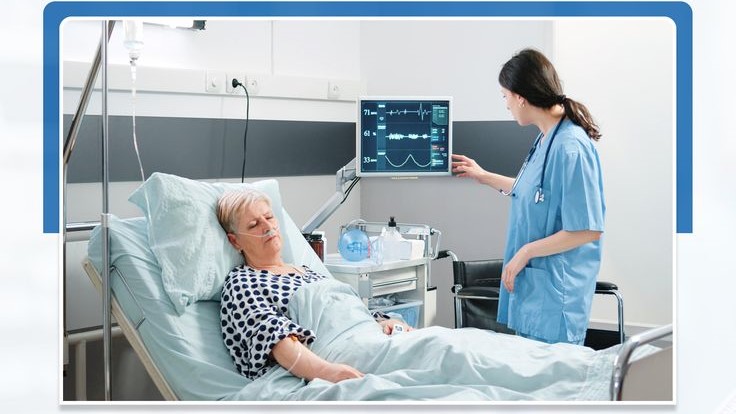
The Intensive Care Unit (ICU) is one of the most technology-rich areas of a hospital. Patients admitted to the ICU are continuously monitored with advanced machines designed to track vital signs and detect even the smallest deviations in health. One of the most noticeable features of the ICU is the constant ringing of alarms. For families, these alarms can be confusing or even frightening. However, they play a crucial role in maintaining patient safety.
This article explains the purpose of ICU alarms, what they indicate, and how families should respond when visiting loved ones in critical care.
Why Are Alarms Important in the ICU?
ICU alarms act as an early warning system for physicians, nurses, and respiratory therapists. They alert healthcare professionals to urgent changes in a patient’s condition or equipment issues. Unlike other hospital wards, ICU patients may experience rapid changes in health. Alarms allow staff to intervene promptly, preventing life-threatening complications.
Types of ICU Alarms
Cardiac Monitor Alarms
These alarms track heart rate and rhythm. Alarms can indicate mild irregularities or serious arrhythmias that require immediate attention.
Oxygen Saturation Alarms (SpO₂ Monitors)
These alerts activate when oxygen levels drop below safe thresholds. They are critical for ventilated patients or those with severe respiratory issues.
Ventilator Alarms
Ventilators have alarms for disconnections, obstructions, high pressures, or insufficient oxygen delivery. These are high-priority alerts in the ICU.
Infusion Pump Alarms
Infusion pumps deliver medications and fluids at precise rates. Alarms indicate blockages, empty fluid bags, or delivery malfunctions.
Dialysis Machine Alarms
Patients requiring kidney support have alarms for blood flow, pressure, or filtration issues.
Bed and Safety Alarms
Some alarms prevent falls or alert staff if a patient moves unsafely while connected to equipment.
Why Do ICU Alarms Sound So Often?
Families often wonder why alarms are frequent. Not every alarm signals a life-threatening event. Many are minor alerts or false alarms, such as a temporary oxygen drop from patient movement. Healthcare providers are trained to distinguish urgent alarms from routine ones. Frequent alarms indicate vigilant patient monitoring.
How Families Should Respond to Alarms
- Stay calm: Alarms are expected, and staff respond promptly.
- Do not silence alarms: Only trained professionals should adjust equipment.
- Ask questions: Speak with nurses or physicians if you are concerned.
- Trust the team: ICU staff are skilled at managing alarms and patient needs.
ICU Care at The Critical Care Physician, Wakad
At The Critical Care Physician, Wakad, patient safety is the highest priority. Our ICU is equipped with modern monitoring devices and life-support machines that detect even minor changes in patient condition.
The ICU team—including intensivists, critical care nurses, respiratory therapists, and other specialists—is trained to respond immediately to all alarms. Families are also educated about the purpose of alarms through open communication to reduce stress and confusion.
By combining advanced technology with compassionate care, The Critical Care Physician ensures patients receive lifesaving interventions in a safe and supportive environment.
Conclusion
ICU alarms are essential for patient safety, acting as constant sentinels against sudden changes in health or equipment issues. While they may seem alarming to families, they enable caregivers to act quickly and save lives.
For professional ICU care where patient monitoring and safety are paramount, visit The Critical Care Physician, Pimpri- Chinchwad, Maharashtra, under Dr. Amit Choudhary.
Contact:
Dr. Amit Kumar Choudhary
The Critical Care Physician, Pune
Address: Pimpri-Chinchwad, Maharashtra 411057
📞 +91 99733 14813
Recent Posts
-
 Understanding Tuberculosis: Symptoms, Diagnosis, and Treatment Options
 -
 Diabetes and Its Emergencies: Symptoms, Risks & Quick Action
 -
 Sepsis Management: Critical Care Strategies that Save Lives
 -
 Understanding ICU Alarms: What Families Should Know
 -
 Why Follow-up OPD Consultations Are Essential Following an ICU Stay