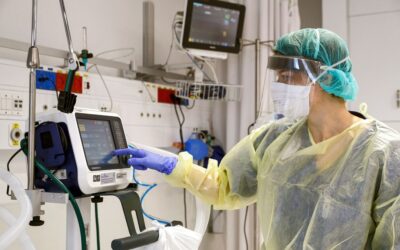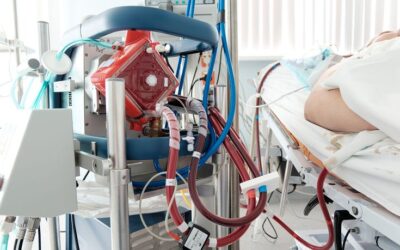
Surviving a stay in the Intensive Care Unit (ICU) is a significant milestone, but for many patients, the journey does not end at discharge. Critical illness, mechanical ventilation, prolonged sedation, and multiple invasive procedures can leave lasting effects on the body and mind. Recovery after ICU care can take weeks or even months, and families are often surprised by the challenges their loved ones face after returning home.
This period is often called the post-ICU recovery phase, is just as important as the treatment received inside the ICU. Understanding what to expect and how rehabilitation works can help patients and caregivers navigate this stage with confidence.
Post-ICU Syndrome: What It Means
Many ICU survivors experience a combination of physical, cognitive, and emotional difficulties collectively referred to as Post-Intensive Care Syndrome (PICS).
Common issues include:
- Muscle weakness: Due to prolonged bed rest and muscle wasting.
- Breathing difficulties: Especially in patients who had lung injury or prolonged ventilation.
- Fatigue and low stamina: Making daily activities challenging.
- Memory and concentration problems: Sometimes described as “ICU brain.”
- Sleep disturbances, anxiety, or depression: Due to ICU-related stress and trauma.
These challenges can affect quality of life and delay return to normal routines if not addressed promptly.
Importance of Early Rehabilitation
Rehabilitation should begin as early as possible — often while the patient is still in the ICU. Research shows that early mobilization (such as gentle exercises and physiotherapy) can prevent muscle wasting and speed up recovery.
Once discharged, rehabilitation programs may include:
- Physiotherapy: To rebuild strength, improve balance, and restore mobility.
- Respiratory therapy: Breathing exercises to improve lung capacity.
- Nutritional support: Tailored diet plans to meet increased energy and protein requirements.
- Psychological counseling: Support for anxiety, depression, or post-traumatic stress.
- Cognitive exercises: Memory and attention training if cognitive issues persist.
A multidisciplinary team — including intensivists, physiotherapists, dietitians, and mental health professionals — plays a crucial role in supporting long-term recovery.
Family Involvement in Recovery
Families are essential partners in post-ICU care. They can help by:
- Encouraging patients to participate in rehabilitation exercises.
- Ensuring they attend follow-up appointments with critical care physicians.
- Watching for warning signs such as severe fatigue, breathing problems, or emotional withdrawal.
- Providing emotional support and a safe environment at home.
Education and counseling for caregivers are also important to reduce burnout and stress.
Follow-Up Clinics and Continuity of Care
Many hospitals now offer post-ICU follow-up clinics where survivors are assessed regularly for physical, mental, and emotional health. These clinics help identify complications early, adjust medications, and ensure that recovery stays on track.
Follow-up visits with the treating intensivist allow for reviewing progress, addressing concerns, and guiding families through the recovery timeline.
The Role of a Skilled Intensivist
Recovery is not just about surviving — it is about regaining independence and quality of life. A skilled critical care physician like Dr. Amit Kumar Choudhary plays a key role even after ICU discharge by coordinating rehabilitation plans, monitoring for late complications, and guiding patients through each step of recovery. His experience with complex ICU cases ensures that patients receive comprehensive, evidence-based support beyond the ICU walls.
Conclusion
Life after an ICU stay can be challenging, but with the right medical guidance, rehabilitation, and family support, most patients can return to their normal lives. Early recognition of post-ICU problems, structured rehabilitation, and follow-up care significantly improve outcomes and quality of life.
For expert post-ICU care and rehabilitation planning, consult Dr. Amit Kumar Choudhary – Consultant Critical Care Medicine, Pune. His patient-centered approach and multidisciplinary ICU team are dedicated to helping survivors not just live, but thrive after critical illness.
Recent Posts
-
 Understanding Tuberculosis: Symptoms, Diagnosis, and Treatment Options
 -
 Diabetes and Its Emergencies: Symptoms, Risks & Quick Action
 -
 Sepsis Management: Critical Care Strategies that Save Lives
 -
 Understanding ICU Alarms: What Families Should Know
 -
 Why Follow-up OPD Consultations Are Essential Following an ICU Stay