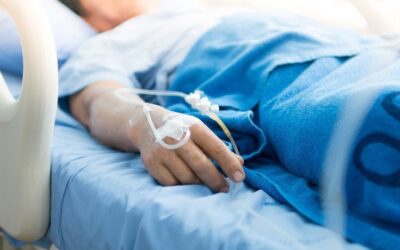
When the brain is seriously injured, time is of the essence. The brain controls everything we do from breathing and movement to memory and consciousness. Delayed treatment can lead to permanent damage. In such situations, Neuro Critical Care can make the difference between survival and long-term recovery.
At The Critical Care Physician, Pune, our Neuro Critical Care Unit provides high-level monitoring, precision therapies, and personalized rehabilitation for patients suffering from life-threatening brain injuries.
What Is Neuro Critical Care?
Neuro Critical Care, also known as Neurointensive Care, is an advanced subspecialty of medicine that focuses on patients with severe neurological or neurosurgical conditions. These include:
- Traumatic brain injury (TBI)
- Stroke or brain hemorrhage
- Aneurysms and cerebral bleeds
- Spinal cord injuries
- Post-brain surgery recovery
- Severe seizures or coma
- Central nervous system infections
The goal of Neuro Critical Care is not just to save lives but also to preserve brain function and achieve the best possible neurological recovery.
Why Neuro Critical Care Is Different
Unlike general ICUs that manage multiple organ failures, Neuro ICUs focus exclusively on brain health. The brain is extremely sensitive to changes in oxygen levels, blood pressure, and intracranial pressure — even minor fluctuations can cause significant damage.
Major Factors in Brain Injury Management
1. Quick Assessment and Stabilization
The first few minutes after a head injury are crucial. Stabilizing breathing, blood pressure, and oxygenation prevents secondary injury. Prompt CT or MRI scans help identify bleeding or swelling that may require urgent treatment.
2. Regulation of Intracranial Pressure (ICP)
Elevated intracranial pressure can limit blood flow to the brain. Our ICU team manages ICP through head elevation, osmotic therapy, and controlled ventilation to relieve pressure and protect brain tissue.
3. Maximizing Cerebral Perfusion
Adequate blood pressure ensures the brain receives sufficient oxygen and nutrients. Continuous monitoring allows our physicians to balance fluids, oxygen, and medications for optimal cerebral perfusion.
4. Seizure Prevention
Seizures commonly occur following brain trauma or stroke. With continuous EEG monitoring, our team detects early seizure activity and administers anti-epileptic therapy to prevent further damage.
5. Temperature and Metabolic Control
Even small increases in body temperature or blood sugar can worsen brain injury. Strict temperature regulation and glucose control are integral to neurocritical care management.
6. Early Rehabilitation and Stimulation
Once the patient is stable, early rehabilitation begins. Physical, speech, and cognitive therapy help patients regain function, reduce disability, and support faster neurological recovery.
7. Family Involvement and Communication
Brain injuries can be emotionally overwhelming for families. Our ICU staff ensures clear communication and compassionate guidance, helping families understand treatment goals and recovery expectations.
Advanced Technology and Expertise
Modern Neuro Critical Care depends on technology, teamwork, and time. At The Critical Care Physician, Pune, our Neuro ICU features:
- Continuous EEG and ICP monitoring
- Advanced neuroimaging for real-time assessment
- Targeted temperature management systems
- Specialized ventilator support for neuro patients
- Integrated physical and cognitive rehabilitation programs
This fusion of state-of-the-art equipment and multidisciplinary expertise ensures comprehensive and effective care for patients recovering from severe neurological injuries.
The Need for Early Neuro Critical Care
The most critical factor in brain injury recovery is early intervention. Rapid Neuro Critical Care can:
- Minimize secondary brain damage
- Shorten ICU and hospital stay
- Improve neurological outcomes
- Increase chances of regaining independence
By focusing on both acute management and long-term brain protection, the Critical Care Physician ensures patients recover with the highest possible quality of life.
Conclusion
An acutely injured brain requires more than emergency stabilization – it needs specialized neurocritical care that protects, heals, and restores. With the right combination of advanced technology, precise monitoring, and compassionate care, recovery is possible even after devastating brain injuries.
The Critical Care Physician – Dr. Amit Choudhary – Critical Care & Neuro Specialist
Address: The Critical Care Physician, Wakad, near Phoenix Mall of the Millennium, Pune, Maharashtra.
Recent Posts
-
 Understanding Tuberculosis: Symptoms, Diagnosis, and Treatment Options
 -
 Diabetes and Its Emergencies: Symptoms, Risks & Quick Action
 -
 Sepsis Management: Critical Care Strategies that Save Lives
 -
 Understanding ICU Alarms: What Families Should Know
 -
 Why Follow-up OPD Consultations Are Essential Following an ICU Stay