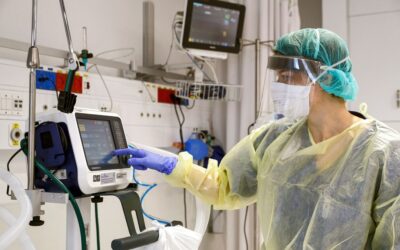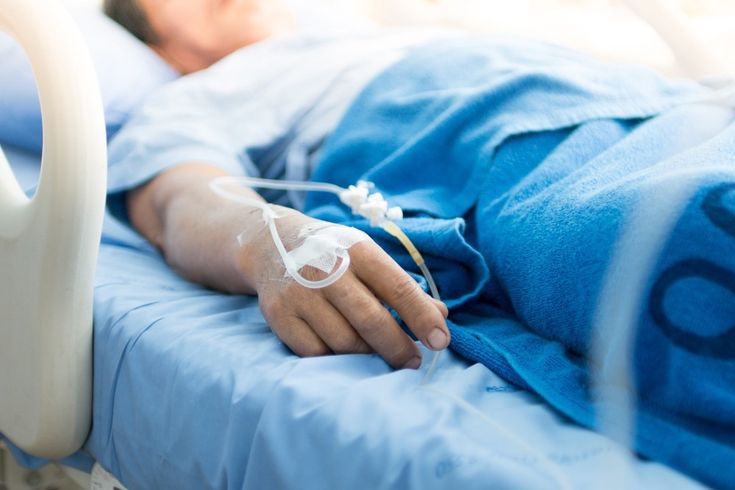
Sudden and unforeseen critical illness can come without warning. What appears to be a minor health issue can progress in a matter of hours into a life-threatening crisis requiring urgent treatment. At these times, Critical Care Medicine is critical in keeping patients alive, sustaining failing organs, and giving them the greatest opportunity to recover.
This handbook is meant to educate patients and families about Critical Care Medicine: what it is, when they need it, and how experts such as Dr. Amit Kumar Choudhary deliver life-saving treatment with compassion and accuracy.
Understanding Critical Care Medicine
Critical Care Medicine, or Intensive Care Medicine, is a medical specialty that is focused on the diagnosis and management of life-threatening illnesses. Critical care patients are generally admitted to the Intensive Care Unit (ICU), where they undergo close monitoring and intensive treatment.
Unlike general medicine, critical care entails sophisticated support for the failing organs like the brain, kidneys, lungs, and heart. Critical care is an extremely specialized field of medicine that employs cutting-edge equipment, evidence-based practices, and multidisciplinary care to address emergencies.
Who Requires Critical Care?
Critical care is needed for patients who are critically ill or at high risk of becoming so. Some typical scenarios where critical care is needed include:
- Severe sepsis and infections
- Cardiac failure and heart attacks
- Stroke and neurology emergencies
- Respiratory failure and severe pneumonia
- Multi-organ dysfunction syndrome (MODS)
- Trauma, surgical complications, or accidents
- Diabetic ketoacidosis or other severe diabetic emergencies
- In all of these, early intervention can be a matter of life and death.
The Role of an Intensivist
At the center of critical care is the intensivist – a doctor who has received advanced training to care for critically ill patients. Intensivists are the leaders of the ICU team, organize care, and make quick decisions to stabilize the patient.
- Their duties are:
- Constant monitoring of vital signs
- Controlling ventilators and life-support devices
- Injecting emergency drugs
- Conducting advanced procedures like central line placement, dialysis, or tracheostomy
- Coordinating with surgeons, cardiologists, nephrologists, and neurologists for treatment
- This collaborative treatment ensures that the critically ill patient gets accurate and timely treatment.
- Standard Treatments in Critical Care
Critical care is based on a variety of specialized treatments, depending on the patient. Some of the most prevalent treatments include:
- Mechanical ventilation to support patients who cannot breathe for themselves
- Dialysis treatments like Continuous Renal Replacement Therapy (CRRT) for unstable patients and hemodialysis for stable patients with kidney failure
- Hemodynamic monitoring and support of unstable blood pressure and shock
- Imaging and laboratory monitoring using advanced imaging and laboratory testing to monitor progress and direct therap
- Nutritional and metabolic support for long-term ICU patients
All these treatments are individually customized based on each patient’s specific condition, allowing for individualized and effective treatment.
Importance of Timely Intervention
Time is critical in critical illness. Each lost second enhances the risk of permanent organ damage and minimizes survival. Prompt identification and early treatment greatly enhance the results in conditions like:
- Heart attacks – speedy treatment can reinstate blood flow and minimize long-term heart damage
- Stroke – early clot clearance or thrombolysis can avoid permanent disability
- Sepsis – early antibiotic treatment and organ support lower the risk of septic shock and mortality
- Families never should wait to seek help when symptoms are severe or are getting worse fast. The sooner critical care is started, the better the chance of recovery.
- Compassionate Care Beyond Technology
Although critical care is usually related to machines and monitors, it is just as much about empathy and compassion. Patients and their families face immense emotional strain during an ICU admission. Intensivists and their staff not only deliver medical care but also walk families through complicated decisions, such as palliative care when appropriate.
Having this kind of holistic approach promotes dignity, comfort, and ethical standards even in the most challenging times.
Why Select a Critical Care Specialist?
Selecting the best critical care specialist can have a profound impact. Practitioners such as Dr. Amit Kumar Choudhary bring decades of experience, advanced education, and patient-centered care. Their specialty in the handling of multi-organ dysfunction, trauma, and complicated post-surgical complications guarantees patients access to world-class medical care targeted at their unique circumstances.
Conclusion
Critical Care Medicine is more than state-of-the-art technology and life support. It is a branch of medicine that integrates quick decision-making, multidisciplinary collaboration, and empathetic care to provide critically ill patients with the best likelihood of survival. For families, knowing what critical care is about can minimize fear and make them better equipped during emergencies. Through skilled professionals such as Dr. Amit Kumar Choudhary at the helm of critical care, patients are assured that they receive the highest levels of medical professionalism, customized care, and empathetic attention at every stage.
Recent Posts
-
 Understanding Tuberculosis: Symptoms, Diagnosis, and Treatment Options
 -
 Diabetes and Its Emergencies: Symptoms, Risks & Quick Action
 -
 Sepsis Management: Critical Care Strategies that Save Lives
 -
 Understanding ICU Alarms: What Families Should Know
 -
 Why Follow-up OPD Consultations Are Essential Following an ICU Stay