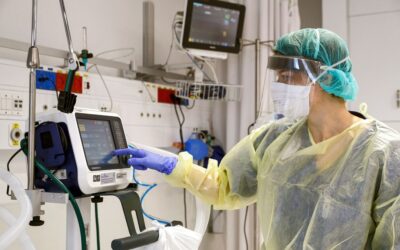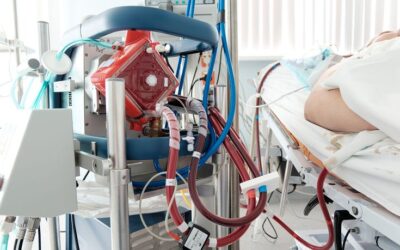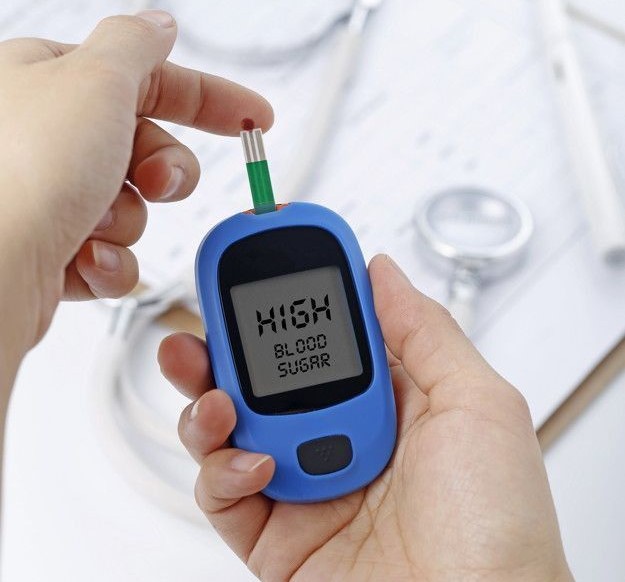
One of the most prevalent chronic illnesses globally, diabetes affects millions of individuals of all ages. Though it is usually controlled with medication, diet, and lifestyle modifications, diabetes also holds the risk of creating sudden, life-threatening diabetic emergencies. Diabetic emergencies are commonly necessitating emergency hospitalization and occasionally ICU admission.
Knowledge of these emergencies can enable patients and families to identify warning signs early and get immediate medical care. Survival and recovery outcomes can be greatly enhanced with appropriate care.
What Are Diabetic Emergencies?
Diabetic emergencies arise when blood sugar levels go up or down to life-threatening levels or when complications of diabetes sharply affect major organs. More often than not, these conditions evolve quickly and give very little time to respond.
Common diabetic emergencies include:
- Diabetic Ketoacidosis (DKA): Results from extremely high blood glucose levels, leading to the formation of harmful acids known as ketones.
- Hyperosmolar Hyperglycemic State (HHS): A life-threatening condition with very high blood sugar and minimal ketone accumulation, usually in older patients.
- Severe Hypoglycemia: Critically low blood glucose that can cause seizures, loss of consciousness, or coma if untreated.
All of these emergencies can prove deadly if not handled quickly and properly in a hospital environment.
Warning Signs Families Can Look For
Early recognition of diabetic emergencies can mean the difference between recovery and rapid decline. Key warning signs include:
- Excessive thirst and frequent urination
- Severe fatigue or confusion
- Rapid breathing or shortness of breath
- Nausea, vomiting, or abdominal pain
- Blurred vision
- Abnormal drowsiness or loss of consciousness
- Sweating, shakiness, or seizures (in hypoglycemia)
Immediate medical attention is critical when these signs appear.
Why Critical Care Is Necessary
Diabetic emergencies can quickly lead to organ failure if not aggressively treated. Intensive Care Units (ICUs) are equipped with continuous monitoring and advanced therapies to stabilize patients. Treatments may include:
- Intravenous insulin to lower dangerously high blood sugar
- Fluid resuscitation to reverse dehydration
- Electrolyte management to prevent heart rhythm problems
- Monitoring of kidney, heart, and brain function
- Ventilatory support for breathing difficulties
These interventions are tailored to the severity of the crisis and the patient’s overall condition.
The Role of a Critical Care Specialist
Critical care physicians (intensivists) play a key role in managing diabetic emergencies. They coordinate immediate and specialized care for complications such as kidney failure, heart damage, or neurological issues.
Dr. Amit Kumar Choudhary, with over 11 years of experience and more than 1,000 diabetic emergencies managed, combines expertise with compassionate care—ensuring both stabilization and preventive strategies for the future.
Prevention of Diabetic Emergencies
While ICU care can save lives, prevention remains the best defense. Patients can reduce risks by:
- Regular blood sugar monitoring
- Adhering to prescribed medications or insulin
- Following a healthy diet and exercise routine
- Staying well-hydrated
- Recognizing early symptoms promptly
- Attending regular medical check-ups
The Family’s Role During Emergencies
Families are often the first to recognize a crisis, especially when the patient is too weak or unconscious. By knowing the warning signs and acting quickly, they can save valuable time. They also play an important role in discussing treatment options with critical care specialists to ensure decisions align with the patient’s health and values.
Conclusion
Diabetic emergencies such as DKA, HHS, and severe hypoglycemia are life-threatening conditions that demand immediate and specialized care. ICUs provide the necessary monitoring, technology, and expertise to stabilize patients during these crises.
With his extensive experience, Dr. Amit Kumar Choudhary reassures families that diabetic emergencies can be managed effectively with evidence-based treatment and compassionate care. Still, prevention through regular monitoring, proper medication, and lifestyle management remains the most powerful tool against these emergencies.
Recent Posts
-
 Understanding Tuberculosis: Symptoms, Diagnosis, and Treatment Options
 -
 Diabetes and Its Emergencies: Symptoms, Risks & Quick Action
 -
 Sepsis Management: Critical Care Strategies that Save Lives
 -
 Understanding ICU Alarms: What Families Should Know
 -
 Why Follow-up OPD Consultations Are Essential Following an ICU Stay