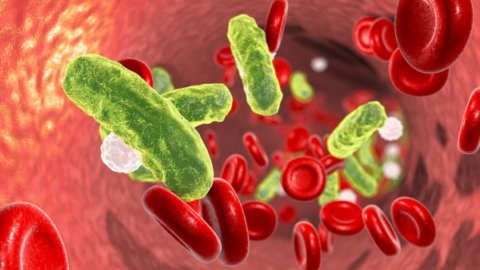
Each year, millions of individuals globally fall prey to a rapidly spreading, potentially life-ending illness most have never even heard of — sepsis. Commonly referred to as the “silent killer”, sepsis may spiral out of control quickly, leading to organ failure and death if not treated in a timely fashion.
As a critical care physician, Dr. Amit Choudhary has experienced the difference between life and death due to early detection and prompt treatment of sepsis. This blog is designed to make people aware of sepsis, its early symptoms, its causes, and the way in which timely ICU intervention can save lives.
What is Sepsis?
Sepsis is the body’s severe reaction to infection. If your immune system overreacts to fight an infection, it can cause widespread inflammation that results in damage to tissues, organ failure, and death.
It is not the infection itself but the overreaction of the body to the infection that leads to sepsis.
Why is Sepsis So Dangerous?
Sepsis is frequently underdiagnosed or diagnosed late because its initial signs resemble other illnesses. It advances rapidly and can result in:
- Septic shock (life-threatening reduction in blood pressure)
- Multiple organ failure (lungs, kidneys, liver, heart)
- Death within days or hours, if not treated
Based on worldwide statistics, 1 out of every 5 deaths worldwide is attributed to sepsis. In India, it’s among the top reasons for ICU admissions.
Early Sepsis Signs and Symptoms
Identifying the warning signs at an early stage can be a lifesaver. Keep an eye out for these symptoms, particularly after infection or hospitalization recently:
Early Sepsis Signs:
- Fever or low temperature
- Rapid heart rate
- Increased breathing rate
- Severe confusion or drowsiness
- Cold and clammy or discolored skin
- Low blood pressure
- Reduced urine output
- Trouble breathing
If someone is ill and “just doesn’t seem right”, assume sepsis and get urgent medical assistance.
What causes Sepsis?
Any infection — bacterial, viral, or fungal — can cause sepsis, including:
- Lung infections (pneumonia)
- Urinary tract infections (UTIs)
- Skin infections or wounds
- Abdominal infections
- Post-surgical infections
- COVID-19 complications
Sepsis can happen to anyone, but the greatest risk is for:
- Elderly individuals
- Infants and young children
- Individuals with weakened immune systems (e.g., diabetes, cancer)
- ICU patients with catheters or ventilators
Sepsis Treatment in the ICU: How is it Done?
Sepsis is a life-threatening condition. Early treatment in the first 1–3 hours is paramount.
At Dr. Amit Choudhary’s ICU, we adhere to evidence-based sepsis protocols:
1. Quick Diagnosis
Blood tests, cultures, imaging (X-ray, CT) to detect the infection source.
2. Antibiotic Treatment
Broad-spectrum antibiotics are initiated immediately — sometimes before test reports come in.
3. Resuscitation with Fluids
IV fluids bring blood pressure back to normal and prevent shock.
4. Vasopressors
If fluids are not sufficient, medications are administered to increase blood pressure.
5. Organ Support
- Oxygen or ventilator support for lungs
- Dialysis in the case of kidney failure
- Heart or liver function monitoring
Time is of the essence. The sooner we treat, the higher the survival rate.
What is Septic Shock?
Septic shock is the most critical form of sepsis, when:
- Blood pressure falls critically low
- Organs start to fail
- Risk of death much higher
Sepsis shock patients need ICU admission, ventilator support, and close monitoring. Early discovery and severe management can still lead to complete recovery.
Is Sepsis Preventable?
No, all sepsis cannot be prevented, but you can lower the risk by:
Prevention Tips:
- Getting infections treated early
- Wound cleanliness and coverage
- On-time vaccinations (flu, pneumonia)
- Proper catheter and IV line care
- Hygiene procedures in hospitals and residences
We have stringent infection control procedures at our ICU to minimize the risk of sepsis in critically ill patients.
Life After Sepsis: What to Expect
Sepsis survivors can have:
- Fatigue
- Memory issues
- Muscle weakness
- Anxiety or PTSD
- Organ dysfunction
This is referred to as Post-Sepsis Syndrome (PSS). Post-ICU rehabilitation and follow-ups are advised by Dr. Amit Choudhary to regain function and strength.
Final Thoughts
Sepsis is rapid, silent, and lethal — but it can be treated and survived early on. If a loved one is demonstrating signs of infection and seems critically ill, don’t hesitate.
Act quickly. Ask, “Might this be sepsis?”
Dr. Amit Choudhary and his medical staff at The Critical Care Physician are equipped to detect and treat sepsis with speed, accuracy, and empathy.
Recent Posts
-
 Understanding Tuberculosis: Symptoms, Diagnosis, and Treatment Options
 -
 Diabetes and Its Emergencies: Symptoms, Risks & Quick Action
 -
 Sepsis Management: Critical Care Strategies that Save Lives
 -
 Understanding ICU Alarms: What Families Should Know
 -
 Why Follow-up OPD Consultations Are Essential Following an ICU Stay