Critical illness may be sudden, occurring without warning in many cases, and can snowball quickly unless treated promptly. Whether caused by accident, acute infection, myocardial infarction, or other life-impending illness, early action by medical caregivers can mean life or death. In intensive care units, where patients need careful monitoring and detailed care, it is essential that action be immediate. This blog speaks about the need for timely intervention in critical illness and how it can enhance the outcome of patients.
What is Critical Illness?
Critical illness is any serious medical condition that puts an individual’s life at risk and necessitates immediate medical intervention. Such conditions may be caused by a variety of factors, including cardiovascular emergencies (heart attack, stroke), respiratory failure, severe infection (sepsis), or trauma (e.g., road accidents). Patients with critical illness tend to deteriorate quickly, so it is crucial to act quickly.
Why Timely Intervention Matters
The sooner critical illness is detected and treated, the higher the survival and recovery rates. Delayed treatment can lead to the advancement of the disease, causing permanent damage to organs and tissues. The following are some reasons why early intervention is important:
1. Avoiding Organ Damage
Severe illnesses, like heart attacks or strokes, may rapidly damage organs like the heart, brain, and kidneys. For instance, during a heart attack, the longer the heart is blocked off from blood, the higher the chance of irreversible damage to the heart muscle. If treatment is not done in a timely manner, it can result in long-term complications, like heart failure or disabilities from stroke. Intervention at an early stage can reopen blood flow, reduce damage, and enhance long-term survival.
2. Prevention of Multisystem Failure
Critical conditions, including sepsis or severe injury, may activate multisystem organ failure, with several organs shutting down at once. This action is usually non-reversible and may lead to death. Intervening with appropriate monitoring and treatment at the right time, like administering antibiotics for sepsis or intravenous fluids and vasopressors for traumatic patients, may stabilize the patient and avert organ failure.
3. Enhancement of Recovery Chance
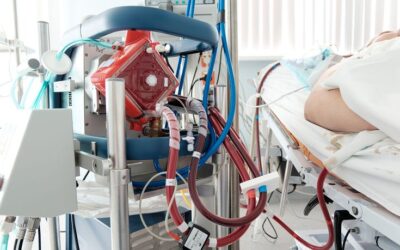
Where a patient manages to survive a life-threatening illness, the speed and quality of medical care are directly related to the recovery process. Early care can shorten the duration of intensive care unit (ICU) stay, minimize the risk of complications such as infections, and facilitate a faster return to normal function. This is especially true in situations where patients require surgery or advanced life-support interventions such as mechanical ventilation or renal dialysis.
4. Reducing Mortality Rates
Research has established that early intervention greatly lowers mortality rates for life-threatening illnesses. In heart attacks, for instance, early injection of clot-busting medications or immediate coronary intervention can greatly lower the chances of death. Likewise, in stroke patients, early thrombolytic treatment within a few hours of the onset of symptoms can restrict brain damage and enhance survival rates.
5. Delivering Best Care in the ICU
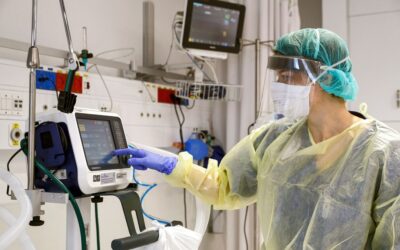
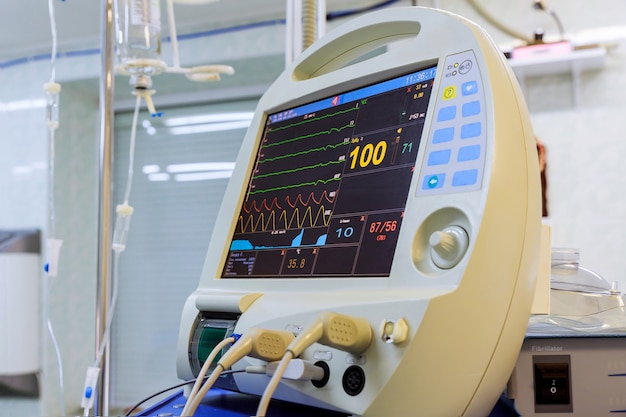
The ICU is equipped to offer the most intensive care to critically ill patients, with around-the-clock monitoring and instant access to sophisticated treatments. ICU personnel, such as intensivists, nurses, respiratory therapists, and other specialists, are trained to identify the indicators of deterioration and act promptly. This coordinated approach ensures that life-threatening conditions are treated as soon as they develop, maximizing the patient’s opportunity for survival.
The Role of Healthcare Providers
Healthcare professionals, especially those working in intensive care, have a crucial role to play in providing timely intervention for serious illnesses. It is important for medical teams to respond quickly and effectively according to the condition of the patient. For instance, when treating a critically ill patient with respiratory problems, healthcare professionals need to evaluate the situation and decide quickly—whether that involves providing oxygen therapy, starting mechanical ventilation, or other treatments.
In addition, critical care experts like Dr. Amit Kumar Choudhary, who has special expertise in handling intensive care patients, are crucial in evaluating the severity of the critical condition and giving life-saving treatments. By his skill, he makes sure that the patient gets the right treatment specific to his condition, maximizing the possibility of survival and recovery.
Conclusion
Critical illness is an emergency that demands immediate and quick action. Early intervention is essential to prevent additional damage, prevent organ failure, and decrease mortality rates. In an intensive care environment, medical professionals such as intensivists, cardiologists, neurologists, and other experts collaborate to give critically ill patients the best care possible. Their capacity to move swiftly and correctly can greatly increase a patient’s likelihood of survival and recovery. For patients and families, recognition of the need for timely intervention emphasizes the need to obtain prompt medical care when confronted with a critical condition.
Summary
Timely intervention in critical illness is crucial for preventing organ damage, avoiding multisystem failure, and improving recovery prospects. Early treatment can reduce mortality rates, especially in conditions like heart attacks, strokes, and sepsis. In intensive care units, healthcare providers act swiftly to stabilize patients and prevent further deterioration. Multidisciplinary teams, including intensivists and specialists, work together to ensure optimal care. Dr. Amit Kumar Choudhary, a Critical Care Specialist in Wakad, Pune, offers personalized dialysis treatments such as CRRT for unstable patients and hemodialysis for stable patients, depending on individual needs and condition.
Recent Posts
-
 Understanding Tuberculosis: Symptoms, Diagnosis, and Treatment Options
 -
 Diabetes and Its Emergencies: Symptoms, Risks & Quick Action
 -
 Sepsis Management: Critical Care Strategies that Save Lives
 -
 Understanding ICU Alarms: What Families Should Know
 -
 Why Follow-up OPD Consultations Are Essential Following an ICU Stay