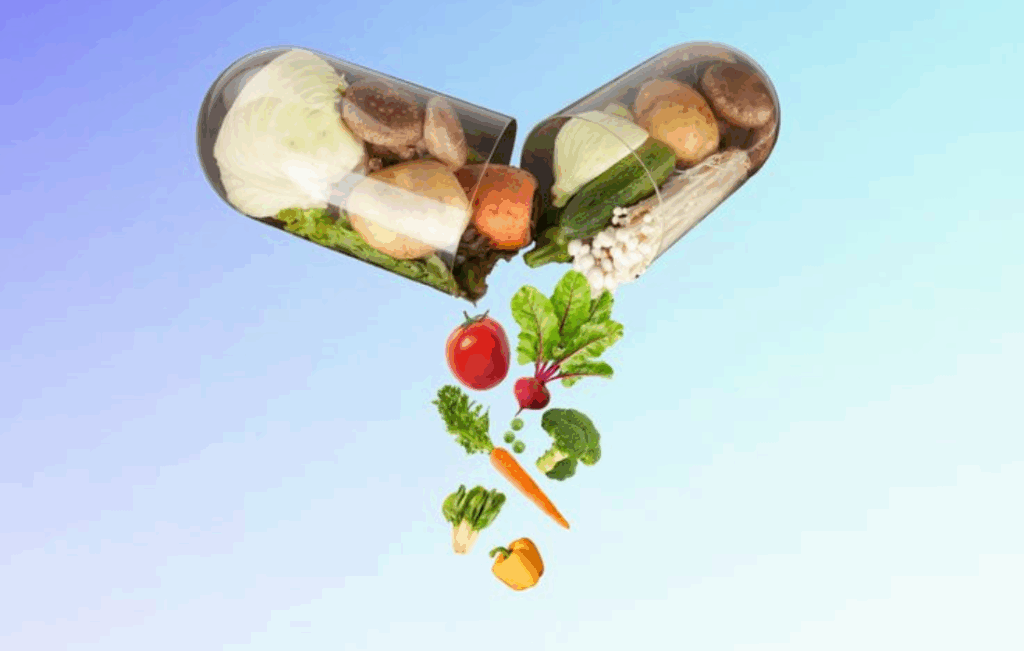
When the body undergoes a major illness or trauma, its metabolic rate increases. The body burns more calories and uses up nutrients faster in an effort to fight infection, repair tissues, and restore organ function. This heightened catabolic state means the patient is at risk of rapid nutritional depletion, especially protein and essential vitamins and minerals.
When a patient is in the ICU, there is high catabolic activity happening, so nutrition has to be started keeping that in mind. Just giving high calories won’t help much — the nutritional support must be balanced, protein-rich, and tailored to metabolic needs.
Here’s how nutrition contributes to recovery:
- Supports Immune Function: Adequate nutrition, especially proteins, vitamins A, C, D, and zinc, plays a key role in strengthening the immune system to fight off infections.
- Preserves Muscle Mass: Protein-energy malnutrition can lead to severe muscle loss. This affects not only mobility but also the functioning of respiratory muscles, making weaning from the ventilator more difficult.
- Improves Wound Healing: Patients with surgical wounds or pressure ulcers require extra calories and nutrients like vitamin C, zinc, and amino acids to promote tissue repair.
- Enhances Mental Recovery: Nutritional deficiencies, particularly of B vitamins and omega-3 fatty acids, can impact cognition, memory, and emotional health during the post-ICU phase.
Types of Nutritional Support in the ICU
In the ICU, patients often cannot eat normally due to sedation, ventilator support, or impaired consciousness. Depending on their condition, different forms of nutritional support are used:
1. Enteral Nutrition (Tube Feeding)
This involves delivering nutrition directly into the stomach or small intestine through a tube. It is the preferred method whenever the gut is functional, as it supports gut integrity and reduces the risk of infections.
2. Parenteral Nutrition (IV Feeding)
If the digestive system isn’t functioning properly, nutrients are given directly into the bloodstream. While effective, this method carries a higher risk of complications and is used only when necessary.
3. Oral Nutrition (Post-ICU Phase)
As patients recover, oral intake is gradually resumed. However, some patients may need specialized nutritional supplements to meet their needs and regain strength.
Individualized Nutrition Plans
No two critically ill patients are the same. Age, existing medical conditions, type of illness or surgery, organ function, and metabolic rate all influence nutritional needs. That’s why a personalized nutrition plan, often developed by a critical care team including dietitians and physicians, is essential.
Dr. Amit Kumar Choudhary, a specialist in Critical Care Medicine in Pune, advocates for early and tailored nutritional interventions in the ICU. He stresses the importance of assessing a patient’s nutritional status right from admission and modifying the plan as the patient progresses.
Challenges in ICU Nutrition
Despite growing awareness, providing optimal nutrition in critical care is not without its hurdles:
- Delayed initiation of nutrition
- Feeding intolerance or gastric issues
- Lack of clear protocols in some settings
- Underestimation of caloric needs
Overcoming these challenges requires a multidisciplinary approach and continuous monitoring of the patient’s nutritional markers and clinical progress.
Nutrition and Long-Term Recovery
Recovery from critical illness doesn’t stop at discharge. Many patients experience Post-Intensive Care Syndrome (PICS), which includes physical weakness, mental fog, anxiety, and depression. Continued nutritional support at home or in rehabilitation centers can help address these issues and improve quality of life in the long term.
Families and caregivers must also be educated about the patient’s nutritional needs post-ICU, including the importance of balanced meals, hydration, and sometimes supplemental feeding.
Summary
Nutrition plays a foundational role in the recovery process from critical illness. From supporting immune defense and healing to preventing complications and enhancing mental well-being, a proper nutrition plan can significantly improve outcomes. The journey from ICU to full recovery is complex, but with guided nutritional care, patients can regain strength and resume their lives with greater resilience.
For expert guidance in critical care and post-ICU recovery, consult Dr. Amit Kumar Choudhary, MD in Anesthesia and DrNB in Critical Care Medicine, Pune — ensuring patients receive not only advanced treatment but also the nutritional support essential for a complete recovery.
Recent Posts
-
 Understanding Tuberculosis: Symptoms, Diagnosis, and Treatment Options
 -
 Diabetes and Its Emergencies: Symptoms, Risks & Quick Action
 -
 Sepsis Management: Critical Care Strategies that Save Lives
 -
 Understanding ICU Alarms: What Families Should Know
 -
 Why Follow-up OPD Consultations Are Essential Following an ICU Stay