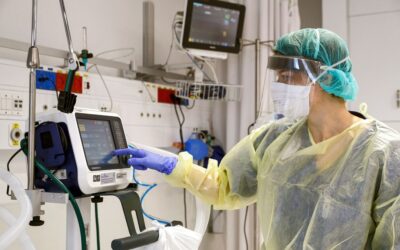
The Intensive Care Unit (ICU) is often associated with advanced technology, complex treatments, and life-saving interventions. Patients treated here are seriously ill, usually with failed organs or life-threatening ailments that need urgent medical intervention. Intensive care for many results in healing and rehabilitation. There are also occasions where no matter what technology and treatment are provided, healing may not be possible.
In these situations, the emphasis of care slowly changes from extending life at all costs to maintaining comfort, dignity, and empathetic care. This is called palliative and end-of-life care. It is a humane, ethical, and compassionate element of Critical Care Medicine that gives more priority to quality of life rather than aggressive treatment when further treatment is not beneficial.
What Is Palliative and End-of-Life Care?
Palliative care is specialized medical care for individuals with serious or life-limiting illness. Its main aim is not to heal but to ease suffering—physical, emotional, or spiritual. End-of-life care, which is included under this approach, is concerned with caring for patients in their final days or hours and emotionally supporting the families.
Within the ICU, palliative care can include:
- Pain and distressing symptom management such as breathlessness, agitation, or anxiety
- Minimizing unwanted or intrusive treatments that will not enhance survival or comfort
- Providing emotional, psychological, and spiritual support to patients and their families
- Encouraging open and empathetic discussion of prognosis and treatment options
Why Is It Important in the ICU?
ICU staff are educated to implement advanced therapy in the form of ventilators, dialysis machines, and life-supporting systems. Although these interventions save lives for most, there are a few cases where continuing them will only extend suffering without any meaningful recovery. In such situations, changing to palliative care will prevent patients from being subjected to unnecessary intervention or pain.
This strategy also recognizes the emotional dilemmas involved for families that might grapple with deciding to continue or withdraw life support. Through patient dignity, comfort, and values, palliative care ensures what is really best for the patient.
The Role of the Critical Care Specialist
Intensivists, or critical care specialists, are the ones who help navigate families during such treacherous transitions. They use medical knowledge coupled with ethical decision-making and empathetic communication to inform families of the true picture of a situation.
Dr. Amit Kumar Choudhary, who has vast experience in Critical Care Medicine, believes in a holistic approach in such cases. His work goes beyond taking care of machines and medication—he ensures that families are listened to, comforted, and engaged in decisions that honor the dignity and comfort of their loved ones.
Supporting Families in Difficult Times
Families experience immense emotional turmoil when a loved one is in the ICU. Uncertainty, fear, and the complexity of making medical decisions can be debilitating. Palliative and end-of-life care fills this gap by:
- Providing honest and clear explanations of the patient’s condition and prognosis within the context of intensive care.
- Offering emotional support and guidance to families during critical decision-making moments
- Establishing a setting of trust where families feel supported instead of pressured
- Making care decisions that respect cultural, ethical, and individual values
This empathetic approach enables families to be at peace and accept the situation during one of the most challenging periods of life.
Balancing Technology and Humanity
One of the largest challenges in the ICU is finding a balance between advanced medical technology and compassionate, patient-focused care. Ventilators, dialysis machines, and medication can save lives, but they cannot always be sure of restoring health or quality of life. Recognizing the right time to shift from curative treatment to comfort care requires sound medical judgment, ethical clarity, and compassion.
By incorporating palliative principles into critical care practice, intensivists such as Dr. Choudhary ensure that patients are treated not merely with medical accuracy but also with compassion and dignity.
The Ethical Dimension of End-of-Life Care
End-of-life care is more than a medical decision; it is also an ethical responsibility. It involves balancing the benefits and harms of treatment, being guided by the patient’s preferences, and ensuring that care is based on humane values. The core guiding principles are:
- Beneficence: Providing care that promotes the patient’s overall well-being and best interests
- Non-maleficence: Preventing unnecessary harm and suffering
- Autonomy: Respecting patient and family preferences
- Dignity: Maintaining comfort and respect even in the last moments
These ethical foundations ensure that end-of-life care is not about giving up but about choosing compassion over futile interventions.
Conclusion
Palliative and end-of-life care in the ICU highlight the compassionate side of Critical Care Medicine. It is a matter of when cure becomes an impossibility and the attention needs to be turned towards comfort, dignity, and compassion. To families, it delivers guidance, support, and reassurance at an extremely challenging moment. To patients, it assures that their last moments are spent with dignity, comfort, and free from unnecessary suffering.
Dr. Amit Kumar Choudhary’s critical care style reveals that medicine is not merely a matter of keeping people alive, but of respecting life when it comes to its ordinary end. By combining medical proficiency with compassion and ethical acuity, he makes sure patients and families are given care that transcends cure—care of the highest humanity.
Recent Posts
-
 Understanding Tuberculosis: Symptoms, Diagnosis, and Treatment Options
 -
 Diabetes and Its Emergencies: Symptoms, Risks & Quick Action
 -
 Sepsis Management: Critical Care Strategies that Save Lives
 -
 Understanding ICU Alarms: What Families Should Know
 -
 Why Follow-up OPD Consultations Are Essential Following an ICU Stay